
How Much Does Drone Videography Cost in Texas?
Professional drone videography pricing varies with project complexity, location, airspace restrictions, filming time, crew requirements, travel, editing, deliverables, and permitting. There is no universal fixed price.
Simple aerial capture may cost substantially less than a full commercial production involving multiple locations, interviews, ground cameras, advanced post-production, or restricted airspace. Compare the complete scope rather than drone-operator hourly rates alone: confirm filming time, crew, editing, and the final files included in each quote.
What does professional drone videography typically cost?
Pricing depends on scope. Request a project-specific quote for current TMP pricing, using the category that matches the work you need:
- Focused aerial capture: A standalone drone shoot for a defined location and shot list, with footage delivery.
- Half-day or full-day commercial aerial production: A coordinated filming schedule with crew time, location planning, and coverage requirements defined in advance.
- Drone filming plus professional editing: Capture and post-production scoped together, including the agreed versions and final files.
- Integrated commercial production: Drone and ground cameras planned together, with interviews and other production or finishing work when needed.
These categories help compare scope; they are not fixed-price packages. Airspace, location, travel, permits, crew requirements, editing, deliverables, and production complexity can change the final estimate.
What affects drone videography pricing?
A useful estimate separates preparation, on-site production, and post-production. Two projects can use the same drone and still require very different amounts of work.
- Shoot duration: Budget for the crew’s time on location, including setup, safety checks, repositioning, battery changes, and repeated takes. Minutes of finished footage do not measure the time needed to capture it.
- Number of locations: Every stop adds access coordination, setup, and potentially a separate flight plan. Nearby properties may still sit in different operating environments.
- Travel: Driving time, mileage, lodging, and early or late call times can affect the estimate. Grouping nearby locations can reduce repeated travel.
- Airspace restrictions and FAA authorization requirements: Location review and any required authorization add planning work. The proposed altitude, date, and flight area matter as well as the address.
- Permits and access: A location may require filming permission, a permit, or coordination with a property manager. These are separate from airspace authorization.
- Crew size: An aerial-only assignment may have a smaller crew than a shoot coordinating a pilot, visual observer, producer, ground cameras, lighting, and sound. Staffing depends on the operation and creative scope.
- Weather contingencies: A backup date, a return visit, or a crew held for a specific weather window can affect the schedule and budget. Agree on rescheduling terms before booking.
- Insurance: Ask about the production’s coverage and any property-specific certificate or coverage requirements. Additional requirements may affect preparation and cost.
- Editing and color grading: Selecting shots, building a sequence, matching aerial and ground footage, and refining the final look are separate tasks from capture.
- Music licensing and graphics: Licensed music, titles, logos, location labels, animation, and maps should be defined in the scope, including where the video will run.
- Delivery formats: A landscape website film, vertical social edits, shorter cutdowns, captions, and multiple resolutions each require planning and quality checks.
When comparing quotes, compare the same shot priorities, crew time, editing scope, review rounds, usage, and final files. A lower capture-only quote may exclude the work needed to make the footage ready to publish.
Aerial capture or commercial production?
Aerial Capture
- Objective
- Capture exterior, property, or establishing footage.
- Crew
- A smaller aerial crew, as the operation requires.
- Planning
- Location review, flight feasibility, access, and a focused shot list.
- Filming
- A defined set of aerial views.
- Editing
- Client or another editor may handle post-production.
- Deliverables
- Camera-original footage or selected clips, as specified.
- Typical use
- Property overviews and footage supplied to an existing edit.
Commercial Drone Production
- Objective
- Use aerial cinematography to support a defined story and audience.
- Crew
- A crew coordinated with ground cameras, interviews, or other production needs.
- Planning
- Creative development and coordination across shots, locations, schedules, and final use.
- Filming
- Story-driven aerial coverage, with ground footage or multiple locations when included.
- Editing
- Editing, color, graphics, music, and sound can be included in the agreed scope.
- Deliverables
- Finished videos, versions, and platform-specific files, as specified.
- Typical use
- Campaigns, destination films, company stories, and complete property films.
Commercial drone video vs. basic aerial footage
Basic aerial capture supplies clips: a building exterior, a property overview, or a few establishing views. The client or another editor may take responsibility for selecting and using those clips.
Commercial drone cinematography starts with what the audience needs to understand. Camera movement, shot length, light, framing, and transitions are planned for a finished story. Aerial coverage might establish a destination before a ground-level arrival, reveal a development’s relationship to its surroundings, or connect an interview to the place being discussed.
For example, a property overview and a campaign film about the same property are different assignments. The campaign may require people, interiors, interviews, audio, and several edits. Explore TMP’s video production services when the deliverable needs that broader production support.
How airspace can affect cost
The exact property address and proposed filming date are often needed before flight feasibility can be confirmed. A city name alone cannot establish the airspace, nearby airport activity, launch access, obstacles, or temporary restrictions affecting a shot.
Some locations require FAA airspace authorization. That can add coordination and lead time; it does not guarantee that every requested altitude or camera move will be available. A property owner’s permission does not replace an airspace authorization, and airspace authorization does not grant access to a property.
Ask the production team to review the proposed location and shot plan before fixing the shoot date. If an aerial shot is not feasible, the creative plan may need a different angle, location, date, or ground-camera approach.
For current operating guidance, consult the FAA’s commercial drone guidance and the Texas Film Commission’s drone resources. Applicable federal, state, local, and location-specific requirements need to be checked for the actual project.
How many drone filming hours do most projects need?
There is no single filming-hour allowance that fits most projects. Start with the required shots and lighting windows, then build a realistic on-site schedule. Crew booking time includes more than time in the air.
A compact property with a short shot list may need one focused session. A larger site, several buildings, or multiple locations can require a half-day, a full day, or separate visits. These are planning examples, not standard packages or guaranteed durations.
Sunrise and sunset can provide useful light, but the best window depends on which way the building faces and what needs to be visible. If a project needs both morning and evening coverage, a short final film may still require a long production day.
Allow for property access, travel between locations, activity on site, and a backup weather window. Wind, rain, visibility, and changing light can affect whether the planned footage is safe and useful.
Does drone videography include editing?
Editing is included only when it is part of the agreed scope. Confirm whether the quote covers camera-original footage, selected clips, or finished edited content.
Raw footage may include repeated takes and files that need color correction or grading before use. Confirm resolution, frame rate, color profile, file organization, transfer method, and whether the receiving editor can work with the files.
A finished edit may include shot selection, pacing, color grading, music, sound design, graphics, captions, and delivery exports. Agree on the number of versions and review rounds, along with who provides brand assets and approves the final video. A 30-second edit and a folder of aerial clips are different deliverables.
When does a project need both drone and ground cameras?
Aerial footage explains scale and geography. Ground cameras show the people, details, interiors, and activity that make a place or organization understandable.
Commercial and corporate films often need interviews or demonstrations. Real estate projects benefit from interiors and architectural details alongside a site overview. Tourism and destination films need experiences as well as landscapes. Documentary, municipal, and nonprofit projects often need voices and human context to explain why a place matters.
Planning both camera approaches together helps align lighting, shot direction, schedules, and color. TMP’s work across industries shows how different subjects call for different combinations of coverage.
What should a client provide before requesting a quote?
Send enough detail to define both the shoot and the finished result. If part of the brief is undecided, say so; it can be scoped during planning.
- Property or filming location: Exact addresses, number of sites, access contact, and any known restrictions.
- Intended use: Audience and channels, such as a website, paid campaign, property listing, presentation, or social media.
- Desired deliverables: Raw clips, selected footage, a finished film, cutdowns, and horizontal or vertical versions.
- Approximate length: Target length for each finished video, if applicable.
- Deadline: Final delivery date, preferred filming dates, and time needed for internal review.
- Editing requirements: Whether TMP will edit, what brand assets are available, and any music, graphics, or caption needs.
- Ground-camera needs: Interiors, details, people, demonstrations, or other footage beyond aerial views.
- Voiceover or interviews: Who will speak, where interviews will happen, and whether a script or voice talent is needed.
Reference videos, a prioritized shot list, a budget range, and property insurance or permitting requirements also help. Use the Get a Quote page to start that conversation.
How Texas Motion Pictures approaches drone production
Texas Motion Pictures provides professional drone videography services as part of commercial video production and standalone aerial projects. Production planning considers airspace, logistics, weather, creative goals, and final deliverables.
The scope connects the footage to its intended use, including how aerials will fit with ground production and post-production when those are part of the project.
Frequently asked questions
How much does a professional drone videographer cost in Texas?
Pricing depends on the location, airspace, filming time, crew, travel, permits, editing, and deliverables. A focused aerial capture assignment may cost substantially less than a full commercial production. Request a scope-specific quote rather than relying on a universal rate.
Can a drone be flown anywhere in Texas?
No. Airspace restrictions, applicable operating rules, temporary restrictions, property access, and location-specific requirements can limit filming. Share the exact address and proposed date so the production team can assess feasibility.
Does drone videography include editing?
Only if editing is included in the quote. Confirm whether delivery means raw footage, selected clips, or a finished video with color grading, music, graphics, and exports.
Can you film commercial buildings with a drone?
Often, yes, when the location and proposed operation allow it. Airspace, property access, people, nearby activity, and applicable permissions must be reviewed before confirming the shot.
How far in advance should drone filming be scheduled?
Start planning as soon as the location and deadline are known. Travel, location permissions, airspace authorization, crew availability, and weather flexibility can require additional lead time. A specific date should be confirmed after the location review.
Can drone footage be combined with traditional video production?
Yes. Drone footage can be planned alongside ground cameras, interviews, lighting, audio, and editing to create a complete commercial, property, tourism, corporate, or documentary film.
PLAN YOUR DRONE PROJECT
Start with the location.
Define the deliverables.
Share your filming location, intended use, approximate scope, timing, and desired deliverables.
Get a Quote
DRONE SERVICES
Certified Drone Operations by Unmanned LLC
ELEVATING STORIES FROM ABOVE
INDUSTRIES WE SERVE
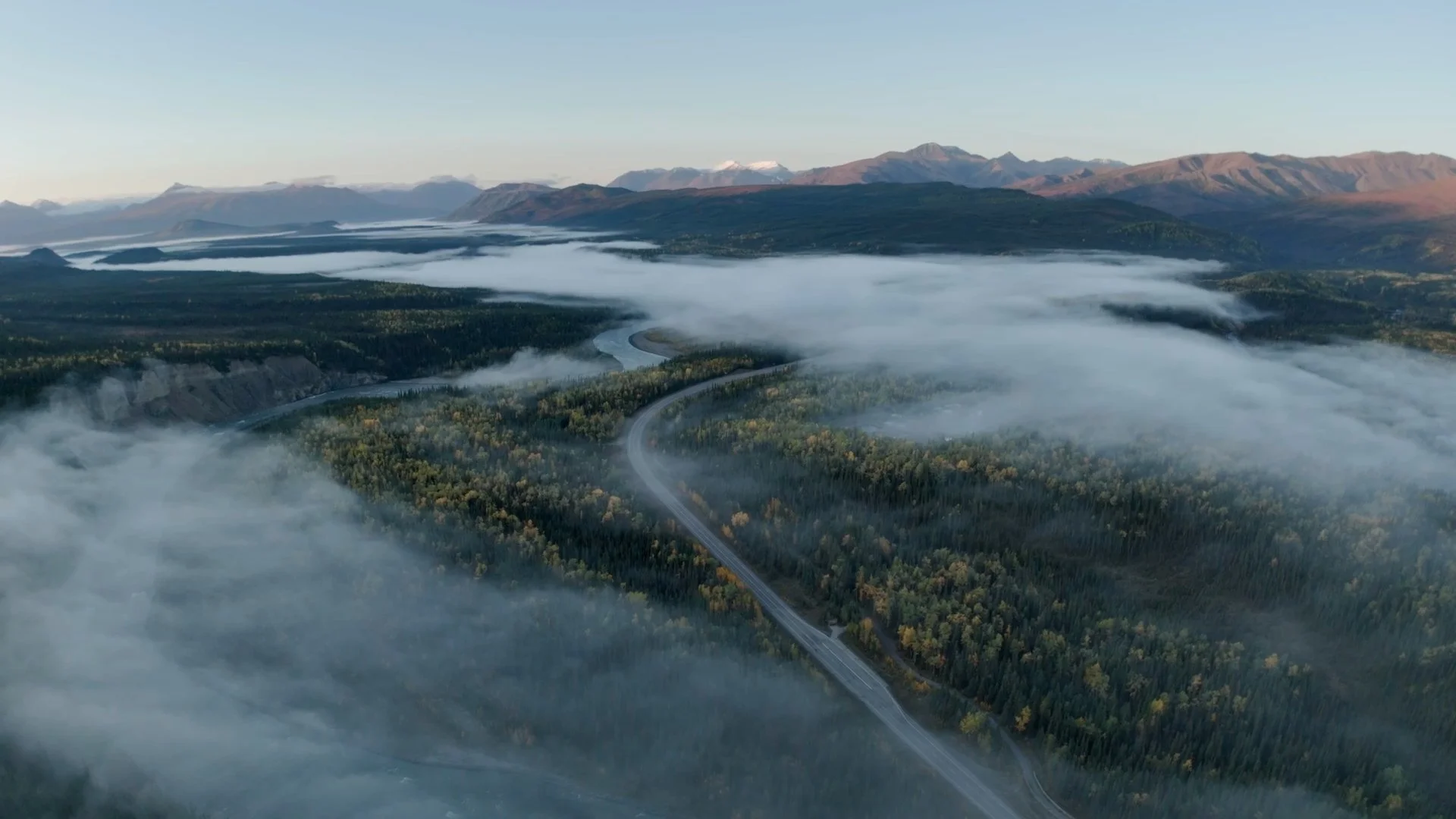
Hospitality, Real Estate, and Commercial Development
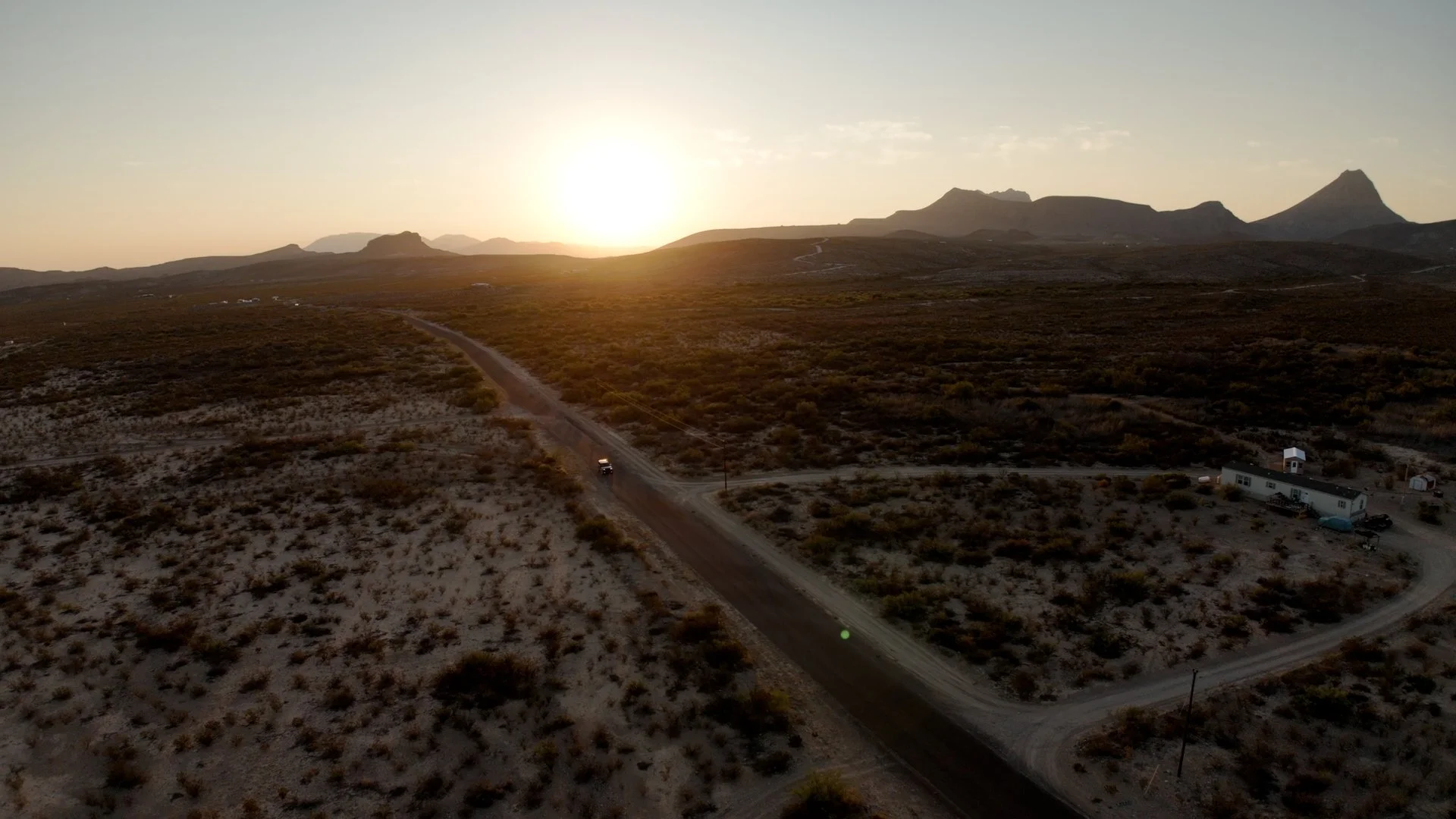
Construction, Ranch & Land Development
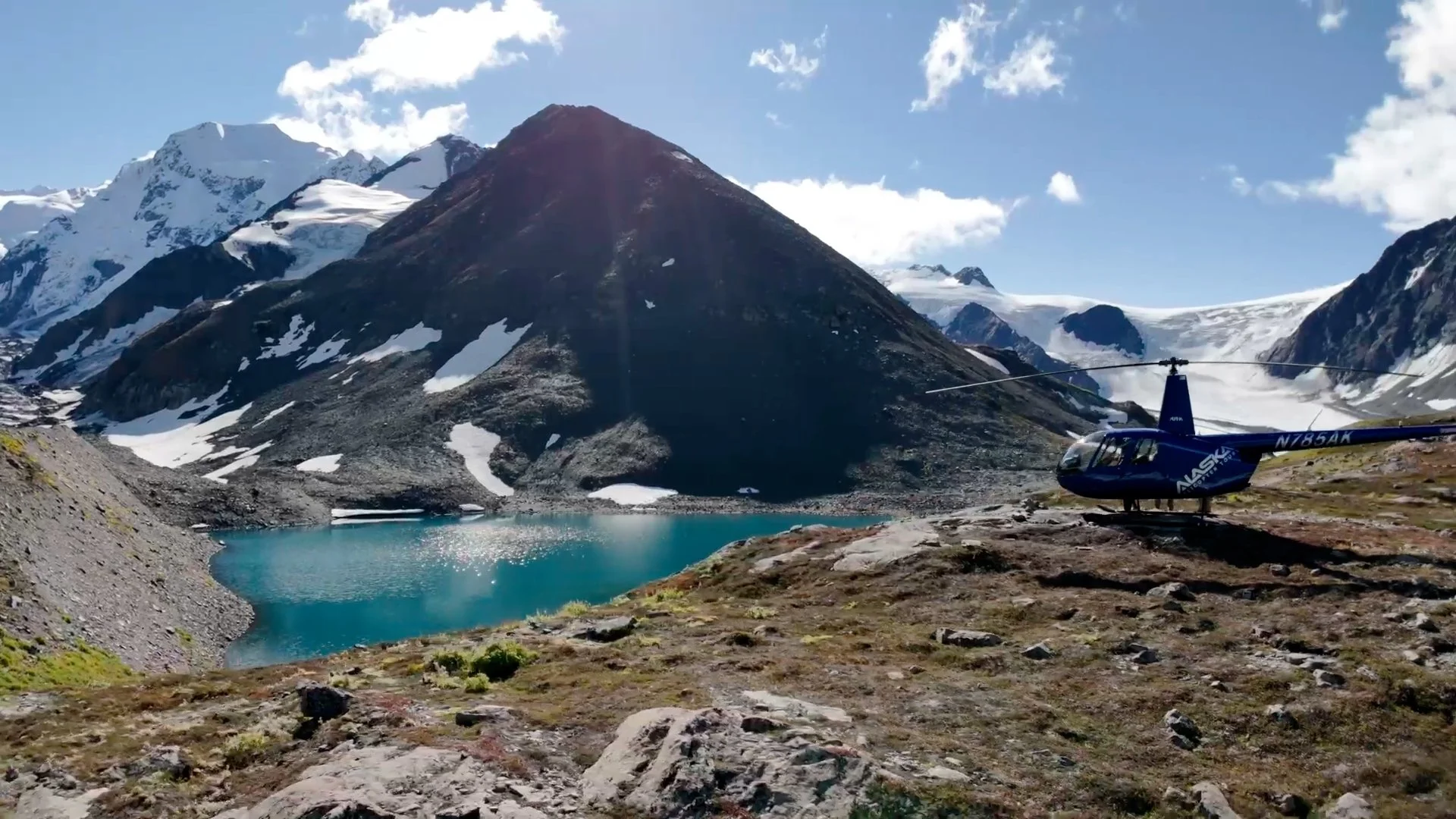
Tourism, Film & Television, and Golf Courses